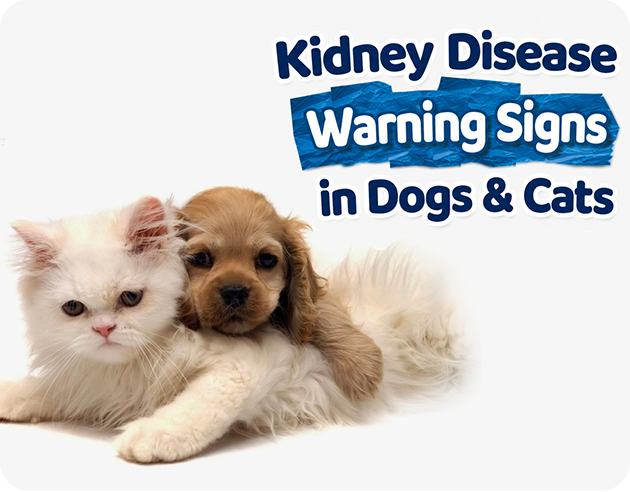

🐕 Diet for Pets with Kidney Disease 🐈
Choosing the right diet is one of the most important factors in managing kidney disease in pets. Proper nutrition helps reduce the workload on the kidneys and promotes overall health. Selecting the appropriate food is therefore a vital part of long-term treatment.
Kidney disease in pets occurs when the kidneys become inflamed or deteriorate with age. Other causes include urinary tract infections, exposure to toxins, prolonged use of kidney-impacting medications, or complications from tumors or kidney cancer.
Renal diets for pets are specially formulated for pets with kidney disease or those at risk. These diets control the levels of protein, phosphorus, and sodium to help reduce kidney workload and slow disease progression.
How should you choose food for pets with kidney disease?
1. Low and high-quality protein
Pets with kidney disease require less protein to ease the workload on the kidneys. However, it should be high-quality protein to support overall health and proper absorption.
2. Reduced phosphorus
Controlled phosphorus levels 0.2–0.4% helps slow kidney decline. Since phosphorus is excreted through the urinary system, its accumulation can further burden the kidneys.
3. Low sodium
Excess sodium can raise blood pressure and worsen kidney function.
4. Omega-3 fatty acid supplements
Omega-3s help reduce inflammation, promote kidney health, and improve quality of life in pets with kidney disease.
5. Food enriched with amino acids and vitamins
Nutrients such as L-Lysine, L-Threonine, B-complex vitamins, vitamin C, vitamin E, omega-3 and 6 fatty acids, and essential amino acids help restore and nourish kidney tissue, slow deterioration, support kidney function, and reduce inflammation—contributing to better kidney recovery.
Kidney disease in pets requires careful management. Choosing the right food can extend your pet’s lifespan and improve their quality of life. Consult with a veterinary professional to ensure your pet receives the best possible care.
Find more